Predict & Simulate

I build models not to simplify reality but to ask better questions of it. Regressions, random forests, and scenario simulations become tools for testing futures — what if we invested here, reduced there, expanded this?

A model is a conversation with uncertainty — the point isn't to be right, it's to know what you're betting on.
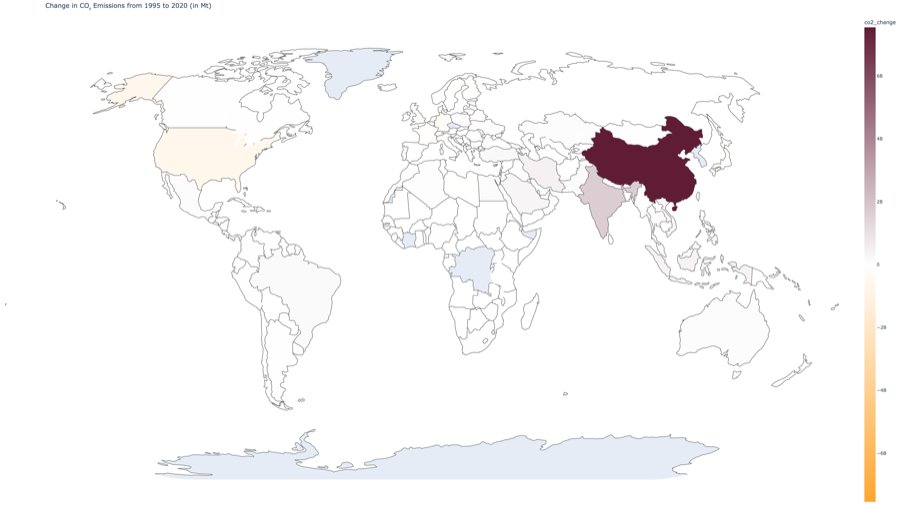
Global CO2 emissions change map 1995-2020
Machine Learning · Spring 2025

Predicting Global CO2 Emissions

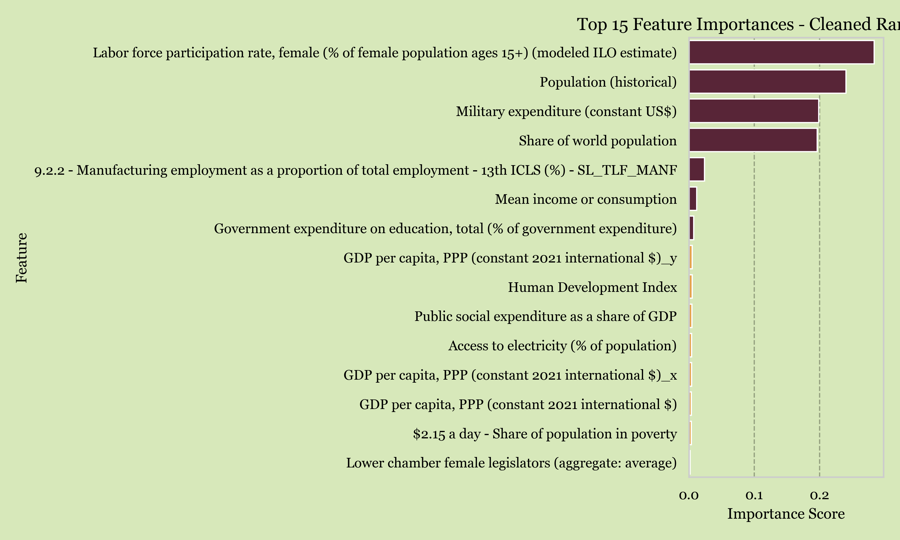
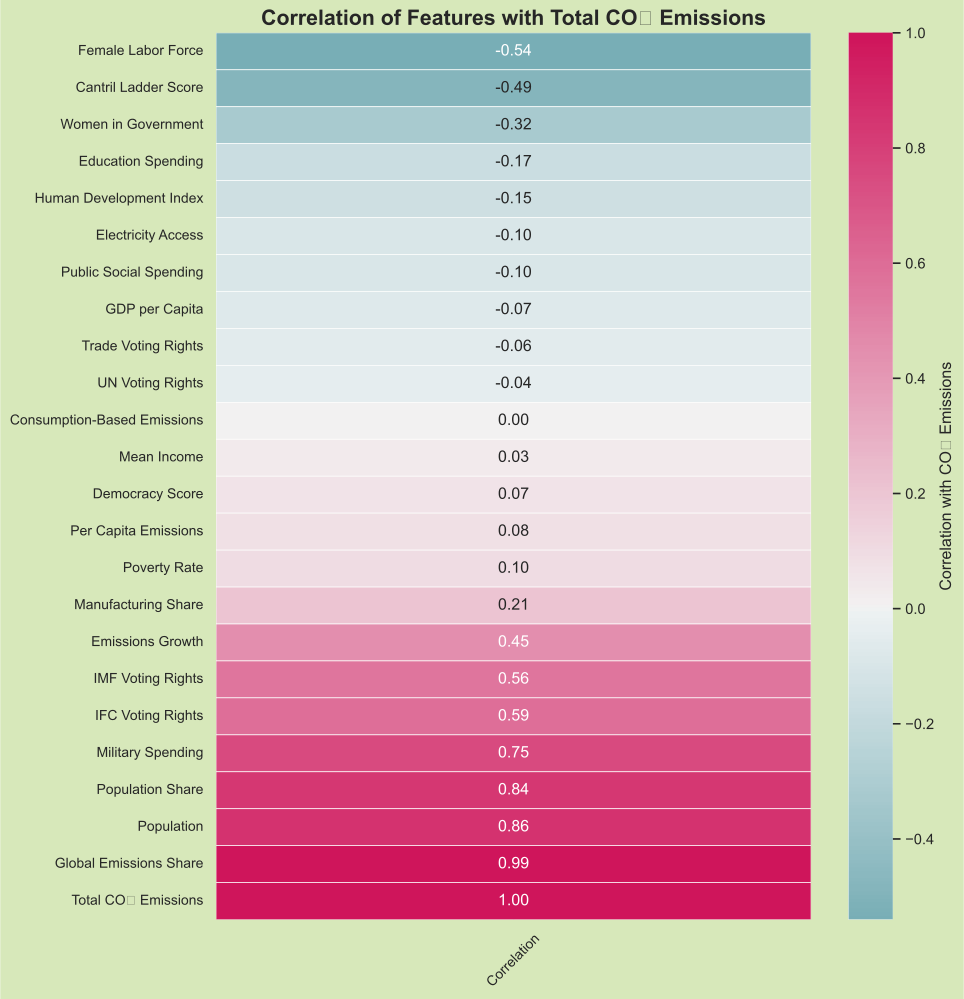
Which countries are on track to blow past their emissions targets, and why? I trained Random Forest and XGBoost models on 25 years of country-level data to predict per-capita CO2 trajectories — then used feature importance analysis to identify the socioeconomic and energy-mix variables that actually drive national emissions profiles.

So what: The model revealed that energy mix composition and GDP growth rate explain more emissions variance than population or industrialization level — suggesting that energy policy, not demographic change, is the key lever.
Python scikit-learn Random Forest XGBoost pandas
feature importance analysis
from sklearn.ensemble import RandomForestRegressor

# Train RF on 25 years of country-level emissions data
rf = RandomForestRegressor(n_estimators=500, max_depth=12)
rf.fit(X_train, y_train)

# Extract and rank feature importances
importances = pd.Series(
    rf.feature_importances_, index=feature_names
).sort_values(ascending=False)

# Top predictor: energy_mix_fossil (0.31)
# R² = 0.89 on held-out test set
Top 15 feature importances

Feature Importance

Energy mix and GDP growth rate dominate — demographic variables like population barely register, challenging conventional assumptions about what drives emissions.
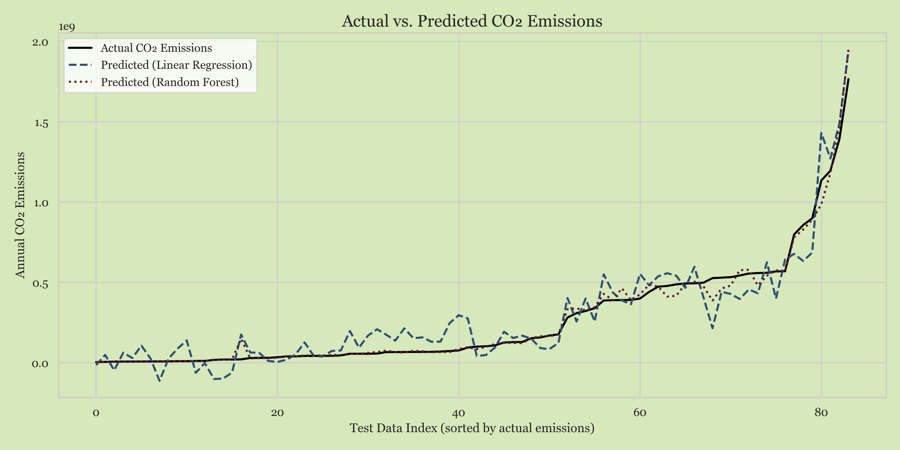
Actual vs predicted emissions

Model Validation

Actual vs. predicted CO2 emissions on held-out test data. Tight clustering along the diagonal confirms strong predictive accuracy across diverse country profiles.
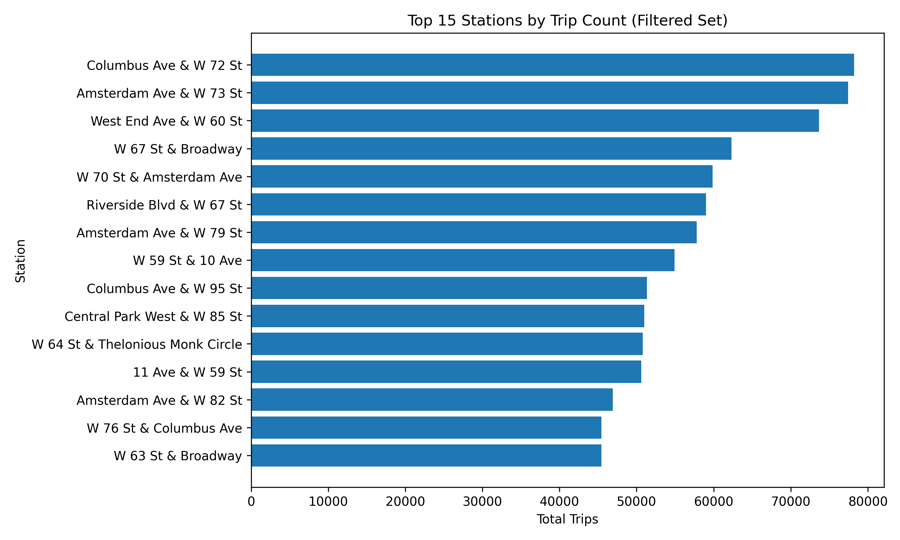
Top Citi Bike stations by trip volume
Urban Tech · Spring 2025

Citi Bike Expansion Optimization

Where should NYC put 20 new Citi Bike stations to maximize ridership while improving equity? I analyzed 87MB of trip data to model demand patterns, then built an optimization framework balancing projected ridership against access gaps in underserved neighborhoods.

So what: The equity-weighted model shifted 8 of 20 recommended stations to transit deserts in the outer boroughs — locations a pure ridership-maximizing model would have ignored.

Python pandas Optimization Data Viz
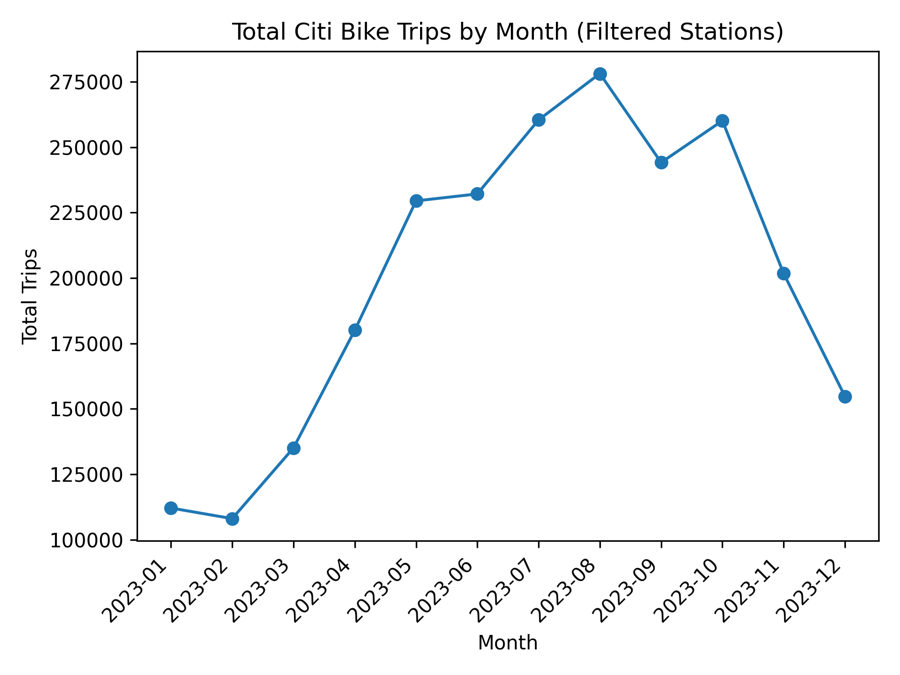
Monthly trip trends

Seasonal Ridership

Trip volume peaks in summer and drops sharply in winter — a key variable for station capacity planning and rebalancing logistics.

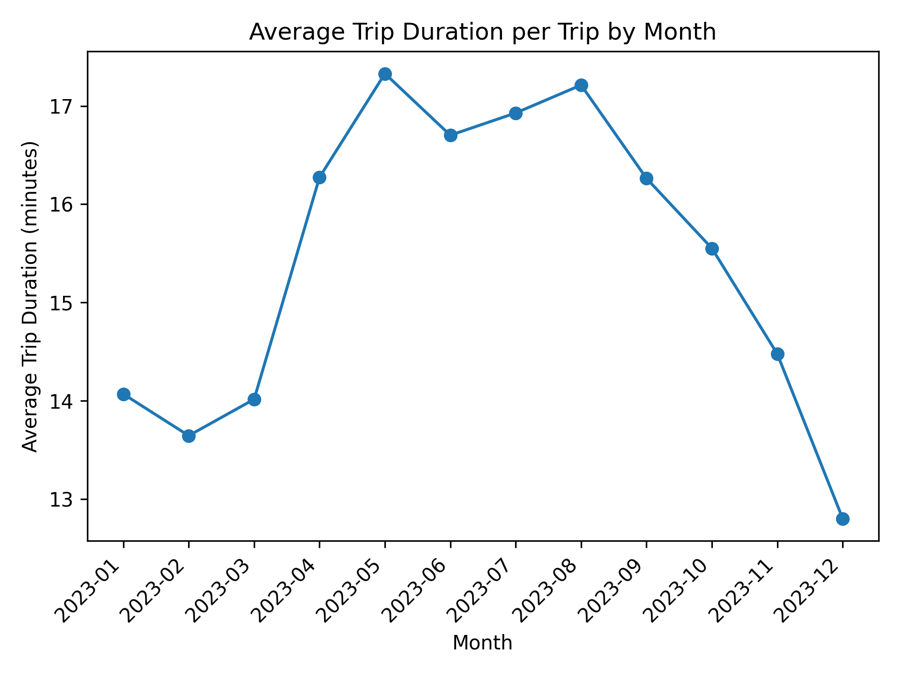
Average trip duration by month

Trip Duration

Average trip length increases in warm months as riders take longer recreational routes, while commute-pattern trips stay consistent year-round.

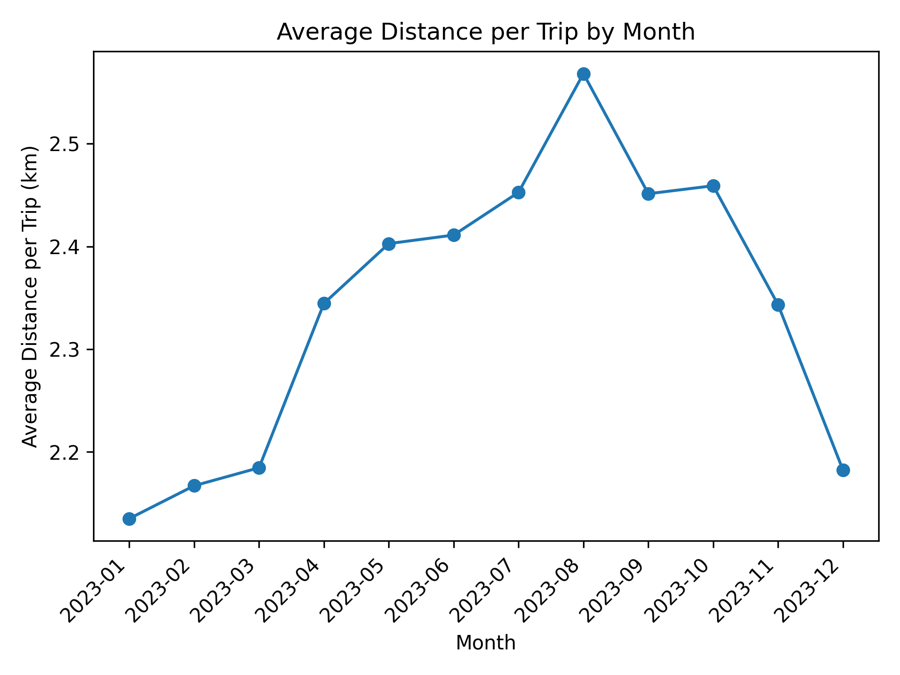
Average distance by month

Distance Traveled

Distance patterns mirror duration trends — longer rides in summer suggest stations in parks and waterfront areas see disproportionate seasonal demand.

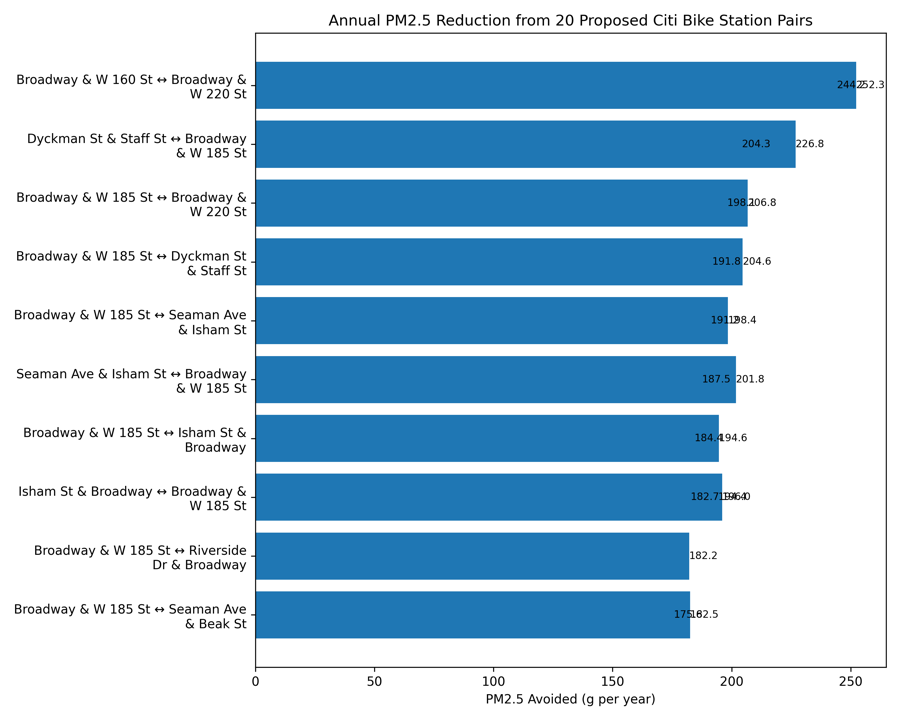
PM2.5 reduction scenario modeling
Urban Tech · Spring 2025

Air Quality & PM2.5 Reduction Scenarios

What if 20% of subway commuters switched to micromobility? I modeled the air quality and climate co-benefits of mode-shift scenarios, estimating PM2.5 exposure avoided and CO2 reductions per trip.

So what: Even a modest 20% shift produces measurable health benefits — equivalent to removing thousands of car-trips from the most polluted corridors. The findings support micromobility subsidy arguments.

Python Scenario Modeling Environmental Data

Transit Ridership Model

Interactive regression scatter plot

NJTPA · 2025–2026

Transit Ridership Prediction

Can you predict how many people will ride transit in a given neighborhood based on how the system is built around them? I built OLS and Random Forest models across 2,181 NJ census tracts, engineering spatial features from 31,000+ bus stops and 165 rail stations.

So what: Bus stop density alone accounts for 55% of the Random Forest's predictive power — more than all demographic variables combined. Access, not demographics, drives ridership.

Python statsmodels scikit-learn GeoPandas
spatial feature engineering
# Engineer transit accessibility features per tract
for tract in gdf.geometry:
    # Count bus stops within 2-mile buffer
    buffer = tract.buffer(3218)  # meters
    stops_nearby = bus_stops[bus_stops.within(buffer)]
    gdf.loc[idx, 'bus_density_2mi'] = len(stops_nearby)

    # Distance to nearest rail station
    gdf.loc[idx, 'rail_dist_m'] = tract.distance(
        rail_stations.unary_union
    )
Embodied carbon scenario impact modeling
Thesis · 2025–2026

Embodied Carbon Scenario Modeling

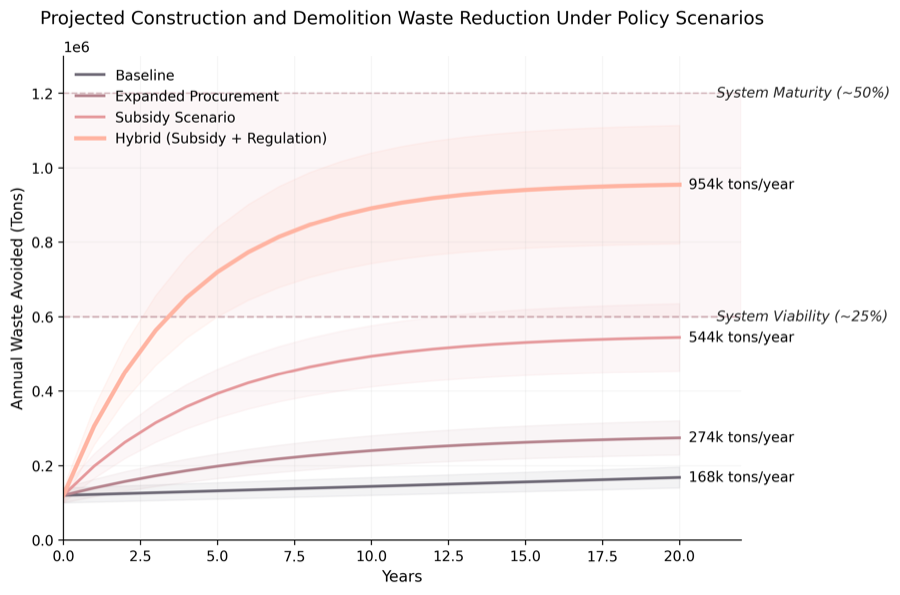
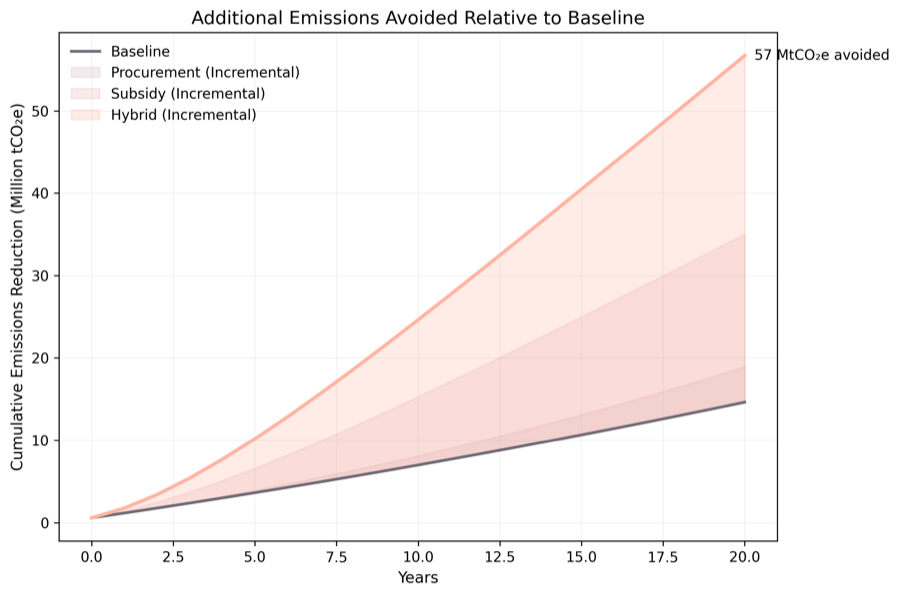
How much carbon could NYC save if it mandated low-carbon concrete in all new construction? I built scenario models estimating embodied carbon reductions under four policy pathways — procurement reform, subsidies, regulation, and a hybrid approach.

So what: The hybrid scenario projects 57 million tCO₂e in savings over 20 years and reaches market viability in 5 years. Procurement reform alone saves 19M — doing nothing costs us all of it.

Read the full thesis deep-dive →

Python Random Forest OLS Regression Scenario Modeling
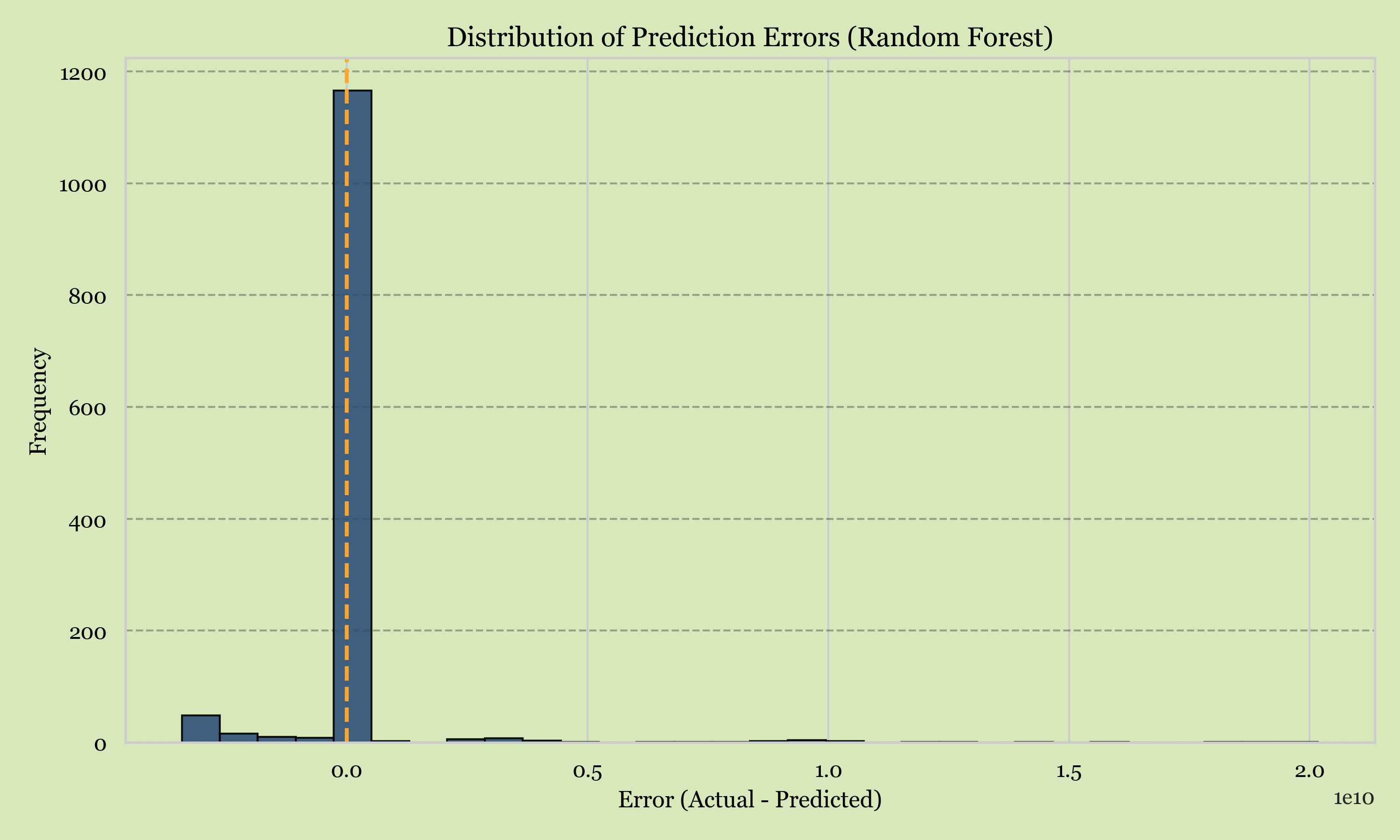
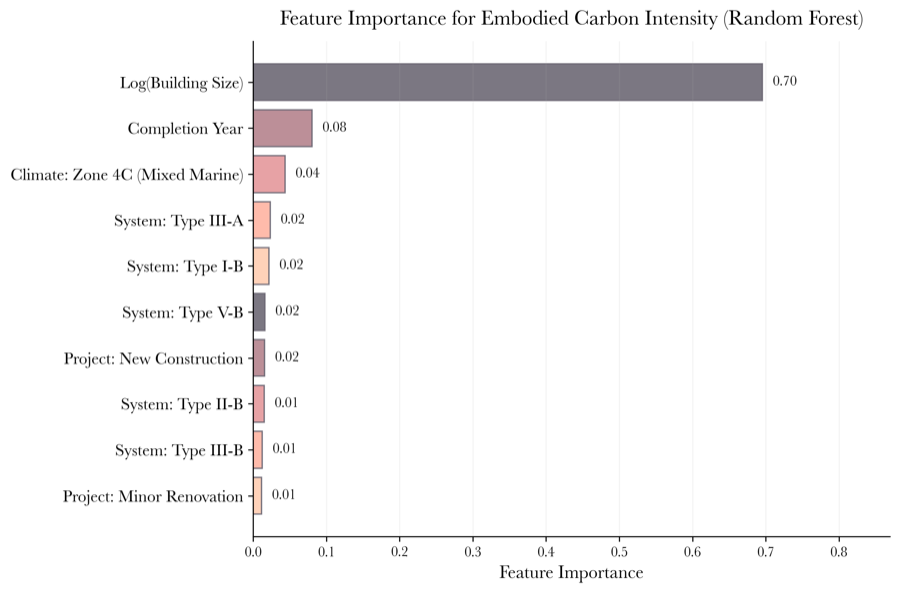
Random Forest feature importance

What Drives Carbon

Floor area and structural system explain the most variance in embodied carbon — meaning design-phase choices matter more than construction-phase efficiency.

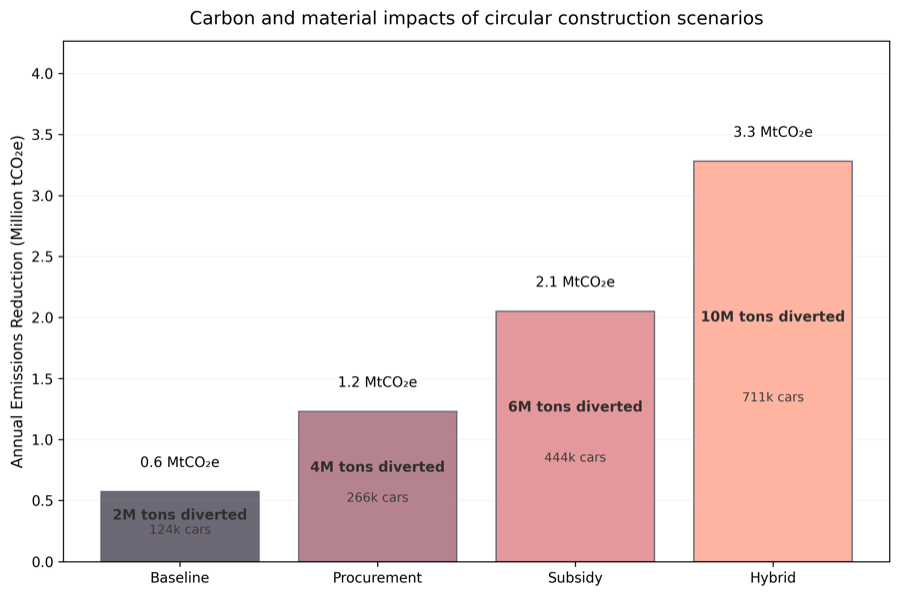
Waste reduction scenarios

Waste Scenarios

Aggressive construction waste recycling could reduce embodied carbon by 8-15%, with concrete and steel diversion yielding the greatest gains.

Emissions avoided wedge diagram

Emissions Avoided

Each policy lever contributes a wedge of cumulative savings — stacked together, they show the full potential of a combined circular economy strategy.